


World-Health-Organization-strategies-on-traditional-medicine
World-Health-Organization-strategies-on-traditional-medicine
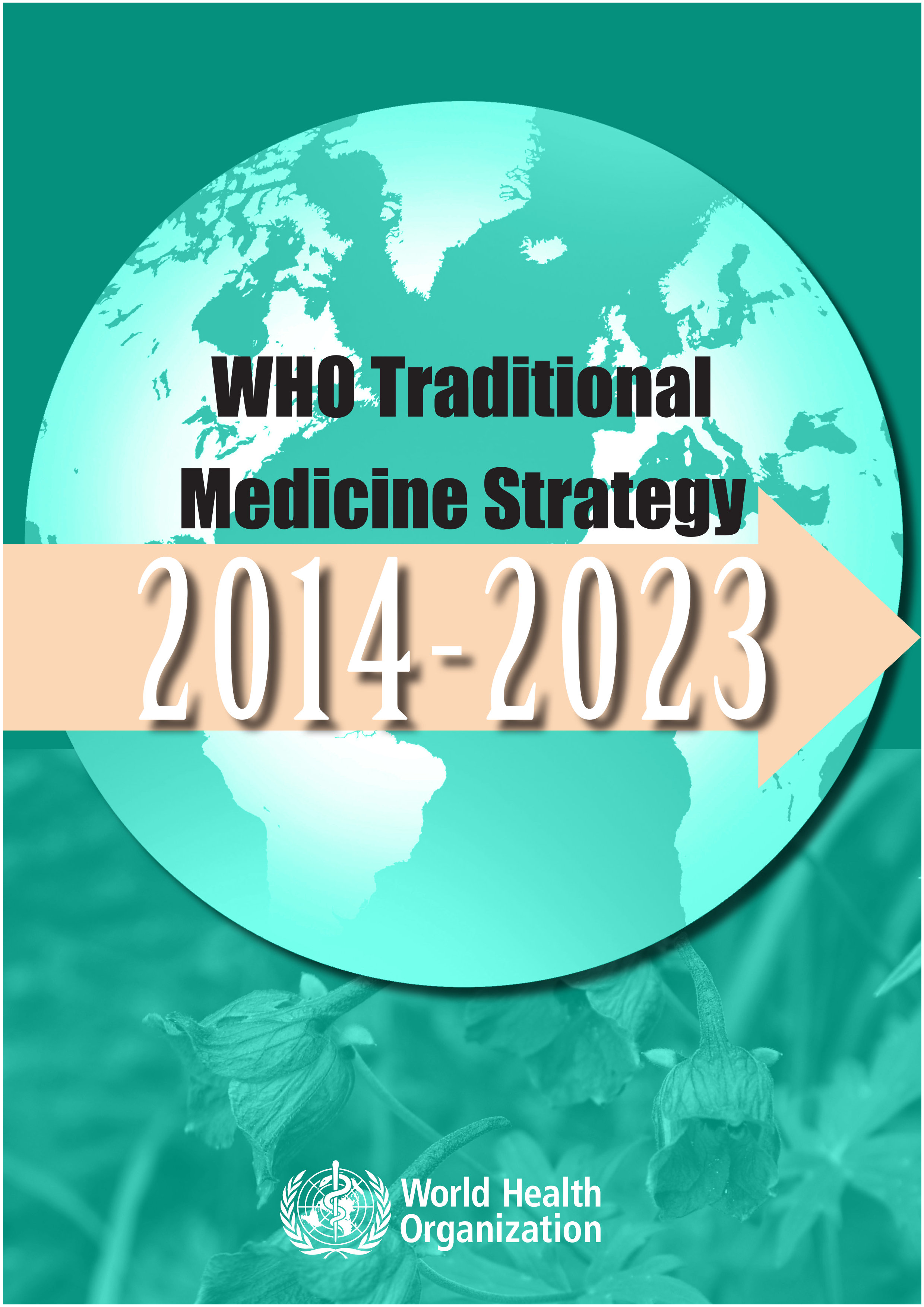
World Health Organization Traditional Medicine Strategy: 2014-2023 (Summary)
The World Health Organization's strategy on traditional medicines for 2014-2023, designed to support member states, includes the following:
-
Harnessing the potential of traditional and complementary medicine to improve health systems, people-centered healthcare, and universal health coverage.
-
Promoting the safe and effective use of traditional and complementary medicine practices, approaches, and practitioner oversight through the development of regulations.
-
Conducting research and facilitating appropriate integration into national health systems. This strategy is developed to assist countries in how to enhance health levels with the help of traditional and complementary medicine and to protect consumers of these services.
This initiative involves two fundamental steps:
a) Member states should define and develop a better understanding of the status of traditional and complementary medicine within their own countries. This requires identifying the types of approaches used and the groups of clients, examining their reasons for using these services, and determining future needs and requirements related to traditional and complementary medicine products, practices, and practitioners.
b) Member states should, by reflecting on their national situation and conditions, develop policies, regulations, and guidelines relevant to the types of traditional and complementary medicine that are needed and chosen by their people. Although there may be common issues and priorities among member states, each country's national approaches will be developed to address the needs of its own population. It is clear that these regulations are based on existing legal frameworks, cultural beliefs about traditional and complementary medicine, and aim to establish regulatory structures for products, practices, and practitioner performance.
To take the above two steps, member states should organize their activities to achieve three strategic objectives:
-
Building a knowledge base for the active management of traditional and complementary medicine through appropriate national policies.
-
Strengthening quality assurance, safety, proper use, and effectiveness of traditional and complementary medicine by regulating products, practices, and practitioners.
-
Promoting universal health coverage by appropriately integrating traditional and complementary medicine services into healthcare systems.
The complete strategy (in English) can be downloaded from the section below.
 ادمین انجمن علمی طب سنتی ایران
You can download the instructions and documents you need from the links below.
- World-Health-Organization-strategies-on-traditional-medicine / Download
