


Trusted Specialists & Medical Centers, Conferences and Congresses


Introducing the American Society of Hirudotherapy
Introducing the American Society of Hirudotherapy: A Focus on Scientific Evidence, Professional Education, and the Safety of Medical Leech Therapy
The American Society of Hirudotherapy (ASH) is a non-governmental, non-profit organization established in 2023 in the state of California, USA. With a focus on compiling scientific evidence, developing educational resources, and promoting safety standards, the Society addresses various aspects of medical leech therapy.
Leech therapy, or hirudotherapy, is a long-established therapeutic practice in traditional medicine, some applications of which have also been investigated and adopted in modern medicine. Understanding its biological mechanisms, evaluating clinical efficacy, identifying the active compounds in leech saliva, and developing safety guidelines are among the major areas of research in this field.
The Society’s Mission and Main Areas of Activity
According to information published on the ASH official website, the organization’s activities are based on several key areas:
-
Collection and Evaluation of Scientific Evidence: Organizing peer-reviewed articles and studies on hirudotherapy and providing information on the quality of evidence, research methodologies, and scientific limitations of the findings.
-
Development of Clinical and Safety Standards: Developing and publishing educational resources on infection control, complication prevention, post-treatment care, and the standardization of clinical procedures.
-
Education for Physicians, Healthcare Professionals, and the General Public: Providing scientific and regulatory information on the applications of medicinal leeches, with an emphasis on distinguishing between approved uses and applications outside the scope of regulatory approval or those requiring further research.
-
Development of Research Infrastructure: Establishing a scientific resource library and database to provide organized access to research articles, leech bioactive compounds, and related research topics.
-
Scientific Transparency and Editorial Independence: Disclosing policies concerning conflicts of interest, evidence evaluation methods, and the correction of potential errors in published content.
The Society also emphasizes the development of educational frameworks and professional standards in medical hirudotherapy. However, it clarifies that its educational courses do not necessarily constitute accredited professional certification or grant authorization to practice medicine.
Medicinal Leech Saliva: A Collection of Bioactive Compounds with Pharmacological Potential
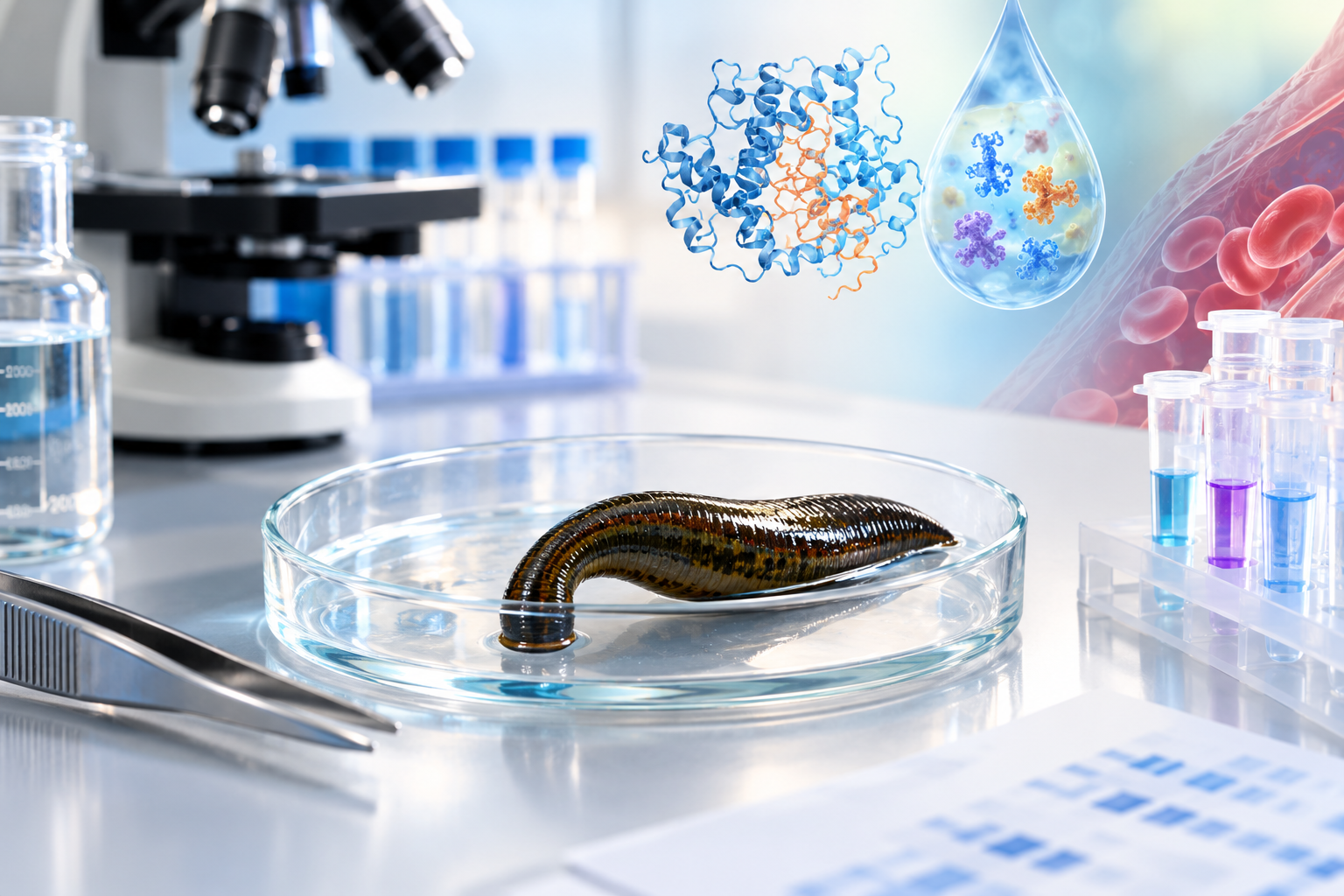
One of the most important research areas in hirudotherapy concerns the compounds secreted by the salivary glands of medicinal leeches. Medicinal leech saliva is a complex mixture of proteins, peptides, and bioactive molecules that enter the host tissue during feeding and may influence blood coagulation, platelet function, inflammation, and local tissue interactions.
Biochemical and proteomic studies have identified more than 100 potentially bioactive molecules in leech secretions. However, the extent to which their structures, functions, and clinical significance are understood varies considerably, and only some of these compounds have been extensively characterized.
1. Hirudin: A Direct Thrombin Inhibitor
Hirudin is the best-known anticoagulant compound found in leech saliva. This peptide directly inhibits thrombin, preventing the conversion of fibrinogen into fibrin and thereby affecting blood clot formation.
In addition to its essential role in fibrin formation, thrombin is involved in platelet activation. Therefore, its inhibition can influence multiple stages of the hemostatic process. Hirudin and its pharmaceutical derivatives have also become important in anticoagulant pharmacology.
2. Calin and Saratin: Effects on Platelet Adhesion and Aggregation
Calin and Saratin are compounds involved in inhibiting the early stages of platelet adhesion. Saratin can reduce platelet adhesion to damaged vascular surfaces by interfering with the interaction between collagen and von Willebrand factor. Calin also contributes to the inhibition of platelet adhesion.
These mechanisms differ from direct thrombin inhibition. Instead, they act on another component of the hemostatic system and target distinct pharmacological pathways.
3. Apyrase: Modulation of ADP-Dependent Platelet Aggregation
Apyrase is an enzyme that hydrolyzes nucleotides such as ATP and ADP. Since ADP is an important mediator of platelet activation and aggregation, its breakdown can reduce platelet aggregation responses.
This function illustrates the multiple ways in which leech salivary compounds may influence hemostasis, a process involving both platelet adhesion and activation as well as the coagulation cascade.
4. Hyaluronidase and Other Extracellular Matrix-Related Enzymes
Hyaluronidase acts by degrading hyaluronan in the extracellular matrix and can influence tissue permeability and the local diffusion of molecules. Other enzymes associated with the extracellular matrix have also been identified in leech secretions.
These compounds are important for understanding how leeches gain access to tissue and the mechanisms underlying their feeding process. However, the presence of such enzymatic activity alone does not establish tissue regeneration or clinical wound-healing benefits in humans.
5. Eglins, Bdellins, and Protease Inhibitors
Eglins, Bdellins, and several other protease inhibitors play a role in regulating the activity of certain enzymes involved in inflammation and tissue responses. For example, Eglin C can inhibit several proteases, including neutrophil elastase.
These findings are important from biochemical and potential drug-development perspectives. However, demonstrating antiprotease activity in laboratory studies should not be considered equivalent to establishing definitive anti-inflammatory efficacy in the treatment of human diseases.
6. Other Compounds and Research Potential
Other compounds, including Destabilase and peptides with potential biological activity, have also been reported in leech secretions. The functions of some of these molecules have been investigated in laboratory studies, but the available evidence regarding their structures, mechanisms of action, safety, and therapeutic applications varies.
From a pharmaceutical perspective, identifying active molecules, determining their structures and structure–activity relationships, investigating toxicity, evaluating pharmacokinetics, and exploring the recombinant production of selected compounds are important pathways for translating biological findings into standardized pharmaceutical products.
This research pathway is distinct from the direct therapeutic use of live leeches and requires independent preclinical and clinical evaluation.
Applications of Hirudotherapy in Modern Medicine
One of the established applications of medicinal leeches is their use in certain reconstructive and microsurgical procedures to help relieve venous congestion in skin flaps, transplanted tissues, and replanted body parts. This specific application has been addressed within the regulatory framework of the United States Food and Drug Administration (FDA).
In the field of musculoskeletal disorders, clinical studies have also investigated the effects of hirudotherapy on pain and joint function in patients with knee osteoarthritis. Evaluating the quality of evidence, the durability of treatment effects, and the applicability of these findings to other diseases requires separate assessment of the relevant studies.
It is important to note that the presence of bioactive compounds with anticoagulant or anti-inflammatory effects does not, by itself, establish the clinical effectiveness of hirudotherapy for all the conditions in which it has been proposed. Each application must be evaluated based on disease-specific evidence.
Safety and Standardization: Essential Components of Medical Hirudotherapy
Alongside investigating mechanisms of action and pharmacological potential, attention to the adverse effects of hirudotherapy is essential. Prolonged bleeding, anemia, and bacterial infections, particularly those associated with Aeromonas species, are recognized risks of this treatment, although they are not necessarily common.
Therefore, selecting appropriate medicinal leeches, adhering to infection-control principles, assessing the patient's hematological status, monitoring bleeding, and developing protocols tailored to specific clinical applications are essential requirements for the safe use of this method.
The activities reported by the American Society of Hirudotherapy in collecting scientific evidence, providing education, and promoting safety standards, together with advances in biochemical research on leech saliva, highlight the importance of interdisciplinary approaches to the study of hirudotherapy.
For the medical and pharmaceutical communities, the simultaneous evaluation of clinical evidence, molecular mechanisms, the quality of products used, and treatment-related risks can contribute to a more accurate understanding of the potential and limitations of this field.
Official Website of the American Society of Hirudotherapy:
Traditional Iranian Medicine Congress Information Channels
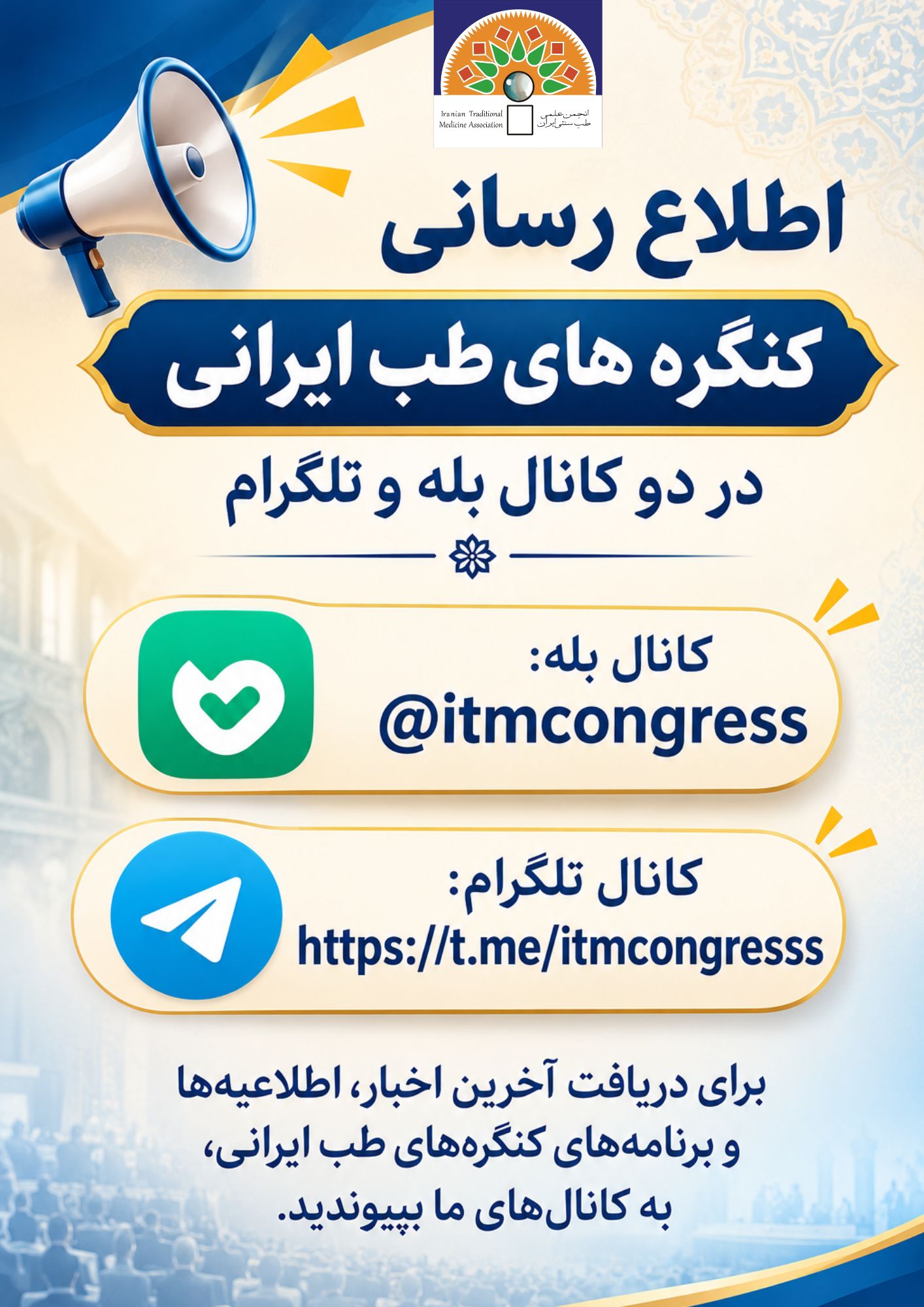
To stay updated on the latest news, announcements, and programs of Traditional Iranian Medicine Congresses, join our channels on Telegram and Bale:
Bale Channel:
@itmcongress
Telegram Channel:
https://t.me/itmcongresss
Meeting with the Secretary of the Supreme Council of the Cultural Revolution
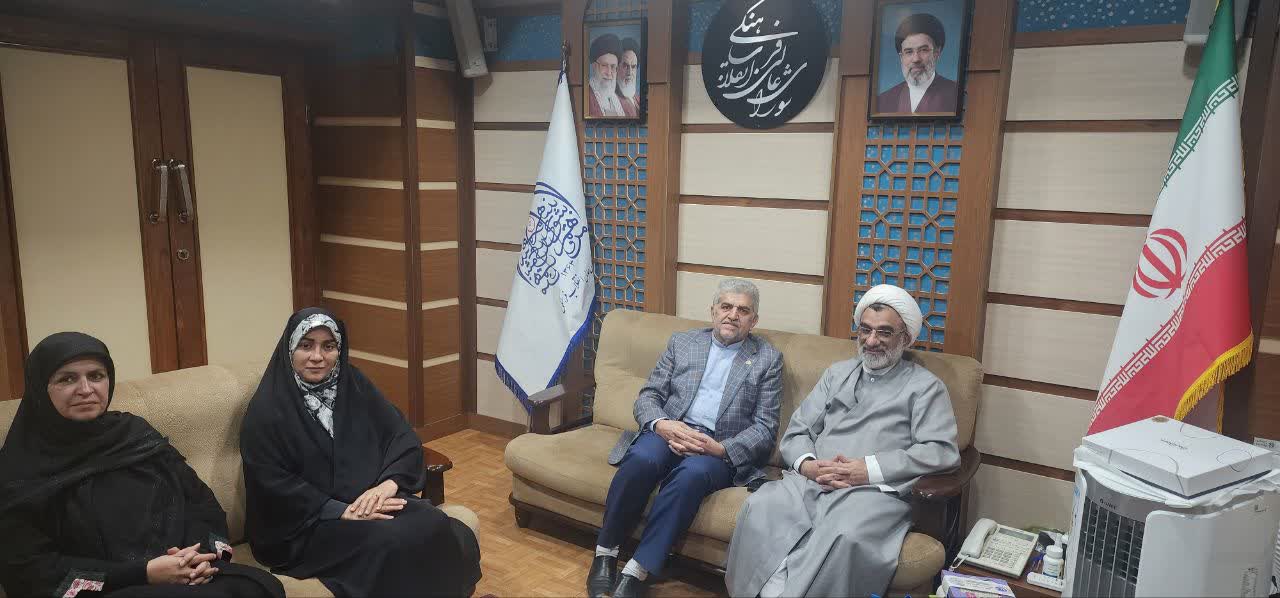
Meeting Between the Current and Former Presidents of the Iranian Scientific Society of Traditional Medicine and the Secretary of the Supreme Council of the Cultural Revolution, Focusing on the Potential of the Iranian Medical Tradition
During a meeting held on November 1, the President of the Iranian Scientific Society of Traditional Medicine met with and held discussions with Hojjatoleslam Dr. Abdolhossein Khosropanah, Secretary of the Supreme Council of the Cultural Revolution.
The meeting focused on the rational, scientific, and systematic development of Traditional Iranian Medicine, as well as the importance of recognizing and utilizing the valuable scientific, historical, and cultural potential of this medical tradition.
During the meeting, the richness of Traditional Iranian Medicine’s wisdom and scientific heritage, along with its place in Iranian-Islamic culture and civilization, was emphasized. The discussion also addressed the potential of Traditional Iranian Medicine to play an effective role in the country’s healthcare system, the importance of drawing on its scientific foundations, and the need to establish appropriate conditions for its sound and regulated development.
The meeting was held as part of efforts to promote interaction and synergy among the country’s scientific and cultural institutions, support the rational development of Traditional Iranian Medicine, and safeguard its valuable heritage.
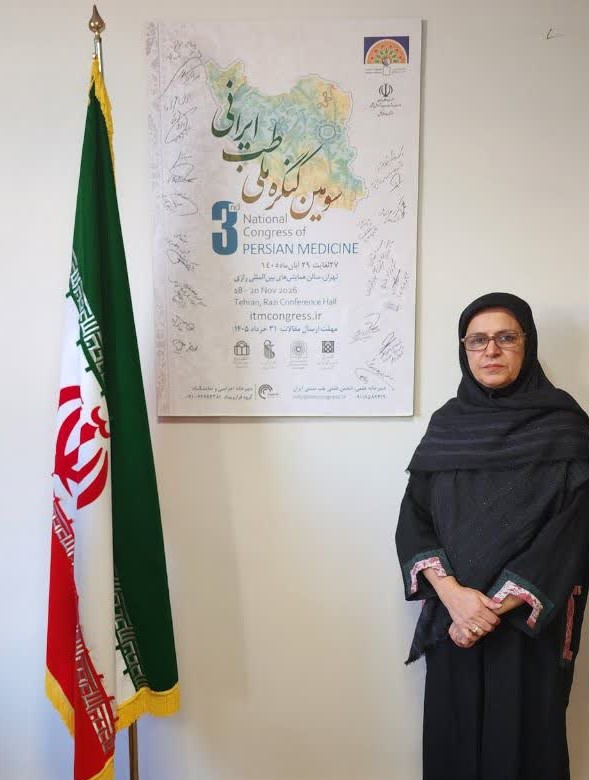
Dr. Roshanak Mokaberi Nejad in an Interview with Hamshahri
Dr. Roshanak Mokaberi Nejad in an Interview with Hamshahri: Traditional Iranian Medicine Should Attain Its Deserved Position in the Country’s Healthcare System
Dr. Roshanak Mokaberi Nejad, President of the Iranian Scientific Society of Traditional Medicine, emphasized the need for the scientific and systematic development of Traditional Iranian Medicine (TIM) and the integration of its potential into the country’s healthcare system in an interview with Hamshahri newspaper. Referring to the rich historical heritage of Iranian medicine, she noted that enhancing the status of this field requires moving beyond a purely historical perspective toward credible research, scientific evidence, standardization of healthcare services and products, and adherence to the principles of safety and efficacy.
She also highlighted the importance of interaction and synergy between Traditional Iranian Medicine and conventional medicine, identifying areas such as lifestyle modification, nutrition, disease prevention, and personalized care as important fields for research development and the delivery of health-oriented services. According to her, the potential of Traditional Iranian Medicine should be utilized within a scientific framework and with the ultimate goal of improving public health.
Dr. Mokaberi Nejad further emphasized the significance of the 3rd National Congress of Traditional Iranian Medicine, highlighting key topics to be addressed at the event, including scientific diplomacy and the internationalization of Traditional Iranian Medicine, personalized medicine, lifestyle, natural products, food and functional foods, artificial intelligence and digital health, fertility and the health of future generations, and policymaking in integrative medicine. The congress will provide an opportunity for the exchange of experiences and the strengthening of scientific collaboration among professors, physicians, researchers, and healthcare professionals.
The 3rd National Congress of Traditional Iranian Medicine, aimed at advancing scientific research and international cooperation in this field, will be held from November 18 to 20, 2026 (27–29 Aban 1405) at the Razi International Conference Center in Tehran.
To read the full interview with Dr. Roshanak Mokaberi Nejad published in Hamshahri newspaper, click here.
Scientific Associations: The Missing Link in Higher Education Governance and Scientific Diplomacy in Iran
Dr. Ebrahim Nouri Goushki, in an article titled “Scientific Associations: The Missing Link in Higher Education Governance and Scientific Diplomacy in Iran,” examines the role and potential of scientific associations in the country's scientific development. He emphasizes the need to expand the role of these organizations beyond conventional activities such as organizing conferences and educational courses. He believes that universities alone cannot assume full responsibility for scientific development and addressing society's needs. To translate academic knowledge into practical solutions, stronger links must be established among universities, experts, scientific associations, and policymakers.
Scientific associations have considerable potential to contribute to science policymaking, enhance specialized education, promote lifelong learning, advance scientific ethics, and guide the responsible development and application of emerging technologies, including artificial intelligence. Highlighting the importance of these functions in medical sciences, he considers scientific associations essential to improving healthcare quality, patient safety, knowledge translation into clinical practice, and public awareness.
Drawing on comparative studies of scientific associations in Iran and their counterparts in Europe and the United States, he also identifies several challenges facing Iranian associations in areas such as participation in policymaking, scientific advocacy, and international collaboration. Strengthening scientific diplomacy requires the development of sustainable collaborative networks, joint research initiatives, the exchange of knowledge and experience, and a more active presence of scientific associations in international professional and academic forums. In this regard, establishing a national network of scientific associations and expanding cooperation among the Ministries of Science and Health, the Iranian National Commission for UNESCO, and scientific associations are among the proposals presented in his article.
In conclusion, Dr. Nouri Goushki emphasizes the need to redefine scientific associations as strategic partners in knowledge governance, sustainable development, and the country's scientific diplomacy. Leveraging the specialized expertise of these organizations while safeguarding their scientific independence, transparency, and accountability can strengthen the relationship between universities, professional communities, and policymakers, and help translate scientific achievements into effective solutions to societal challenges.
To read the full article by Dr. Ebrahim Nouri Goushki published by the Islamic Republic News Agency (IRNA), click here.
A collection of training and educational courses collected for you.
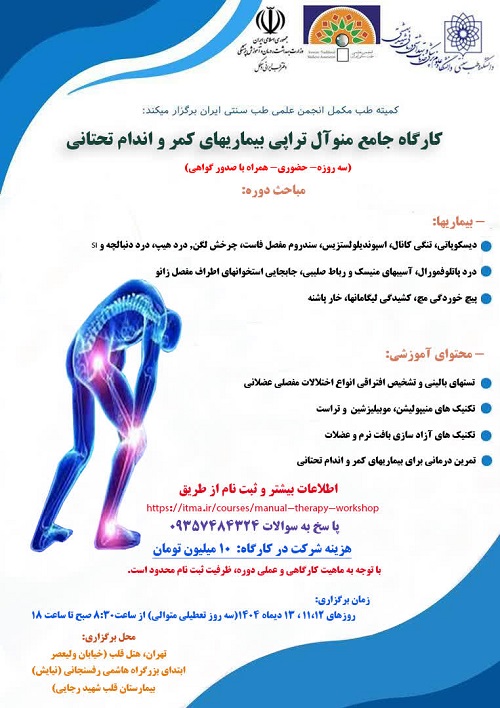 Finished
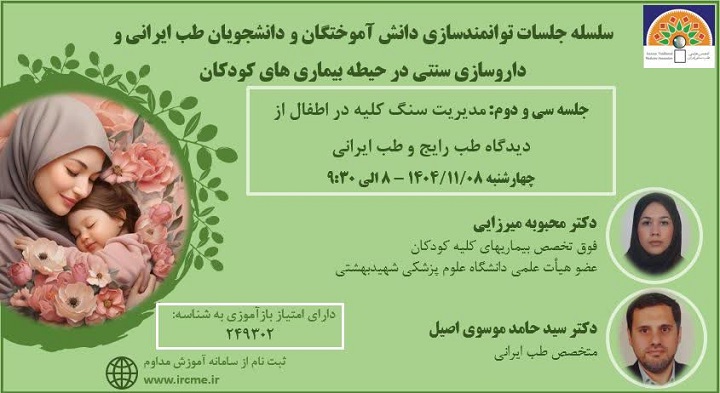 Finished
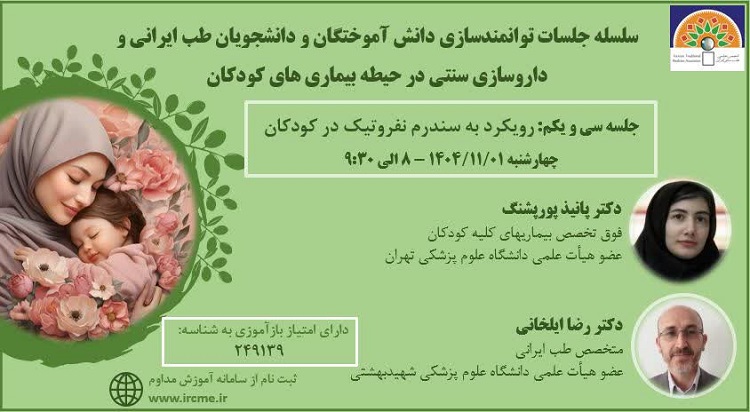 Finished
Management of Nephrotic Syndrome in Children
رضا ایلخانی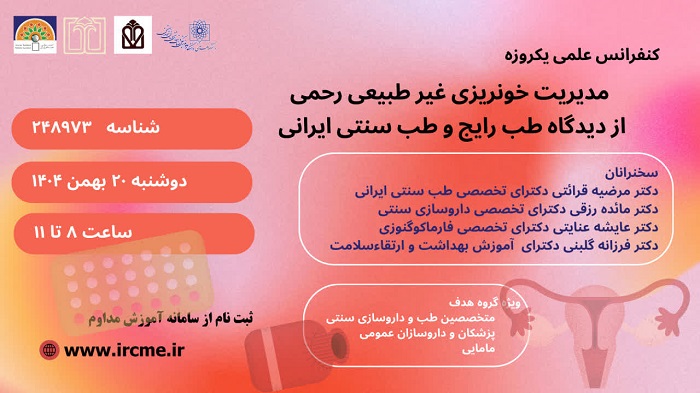 Finished
Management-of-abnormal-uterine-bleeding
مرضیه قرائتی - مائده رزقیAbout Us
The Iranian Traditional Medicine Association is a non-governmental organization that operates in accordance with the joint statute of the scientific associations of the Ministry of Health, which joined the associations of the Ministry of Health, Treatment and Medical Education in 2007. This association is the only non-governmental scientific and legal institution consulted on specialized issues of traditional medicine in Iran. The target group and its members are graduates of the fields of Iranian medicine, traditional pharmacy, and medical history.
Read More




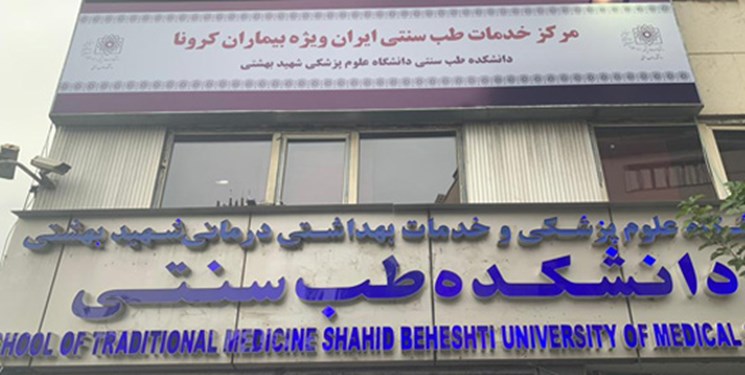
Shahid Beheshti University of Medical Sciences
Tehran University of Medical Sciences
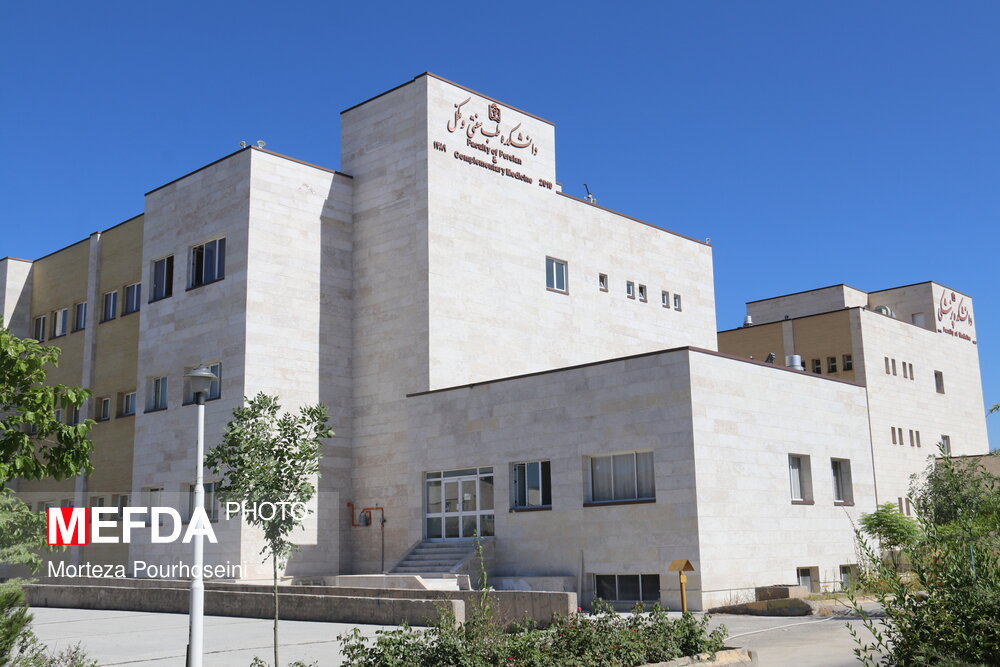
Mashhad University of Medical Sciences
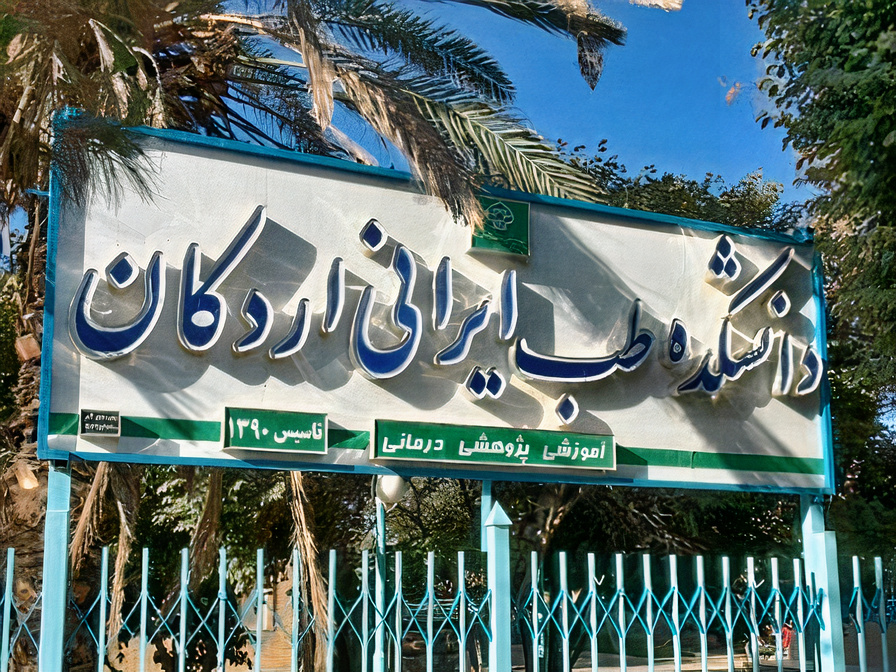
Ardakan University of Medical Sciences, Yazd
Introduction of Persian medicine