


Mashhad University of Medical Sciences
Mashhad University of Medical Sciences
History and Development of Persian and Complementary Medicine Education at Mashhad University of Medical Sciences
The Ministry of Health and Medical Education finally approved the educational program for the Master of Science (MSc) course in Traditional Persian Medicine in March 2006. Student admissions began in September 2007, with over 400 applicants competing for places. Initially, only four universities—Tehran University of Medical Sciences, Iran University of Medical Sciences, Shahid Beheshti University of Medical Sciences, and Shahed University—were authorized to admit students. A total of 24 students were accepted in 2007, and their studies commenced jointly at Tehran University of Medical Sciences.
The second round of admissions for the Master's degree took place in September 2008. From February 2009, the academic level of this field was upgraded from a Master's degree to a specialized doctorate (PhD).
The Persian Medicine Department at Mashhad University of Medical Sciences was established in 2009 following a resolution by the University Council. In August 2010, the Ministry issued a permit to admit four students. In 2010, the University Council communicated the resolution to establish the Faculty of Traditional Medicine. Each year, a number of interested candidates were admitted to the PhD program in Traditional Medicine at this faculty. By the end of 2020, thirteen cohorts of students had been admitted.
In 2020, the first cohort of students (6 individuals) was admitted to the specialized doctorate program in Acupuncture, and their studies commenced under the auspices of the Department of Chinese and Complementary Medicine.
The Faculty of Persian and Complementary Medicine currently comprises three educational departments: the Department of Persian Medicine, the Department of Chinese and Complementary Medicine, and the Department of Pharmaceutical Sciences in Persian Medicine.
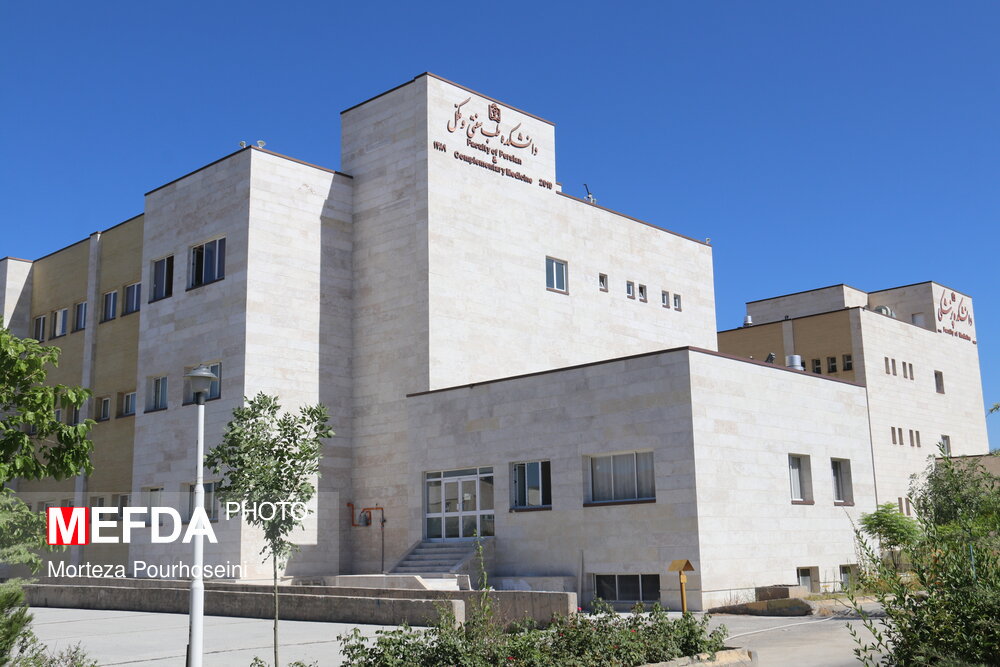
Initially, until 2012, the Faculty of Persian and Complementary Medicine was located within the School of Health. Subsequently, it moved to the Milad Infertility Center, located at the end of Akhound Khorasani Street. In 2017, it was relocated to a part of the second floor of the School of Medicine, situated on the campus shared by Mashhad University of Medical Sciences and Ferdowsi University.
The total number of admitted students and graduates of the specialized doctorate program in Persian Medicine at the Faculty of Traditional Medicine, Mashhad University of Medical Sciences, by the end of 2020, was 80 and 54, respectively.
It is noteworthy that in 2017, based on an announcement by the Ministry, the word "Traditional" was removed from the suffix of Traditional Medicine departments and faculties. Consequently, the faculty's name was changed from the Faculty of Traditional Medicine to the Faculty of Persian and Complementary Medicine.
The number of course units for the specialized doctorate (PhD) program includes 28 compulsory core units, 2 elective non-core units, and 20 thesis units. In addition to these, with the approval of the University's Graduate Studies Council, up to 16 units from other courses, designated as deficiency or remedial courses, may be added to the total program units. The total number of deficiency and remedial units—of which 14 are currently offered and taught at this faculty—is also added to the total program units. The total program units will be delivered over two phases, educational and research, in accordance with the regulations of the specialized doctorate program. The educational phase, comprising coursework, is delivered over four semesters. Subsequently, upon the student passing the comprehensive examination, the research phase, which involves conducting thesis work, begins and typically takes about two years to complete.
The specialized doctorate program in Acupuncture also includes compulsory courses (22 units), elective courses (4 units), deficiency and remedial courses (5 units), and a 20-unit thesis. The curriculum for the aforementioned programs has been uploaded in the respective departments' sections.
The Central Clinic for Persian Medicine and Acupuncture is located at Imam Reza (AS) Hospital. In addition to these two clinics, which also serve an educational role, six health institutes (wellness centers) had been established by the end of 2020 in collaboration with the non-governmental sector across the city, operating under the faculty's supervision.
 ادمین انجمن علمی طب سنتی ایران
