


Tehran University of Medical Sciences
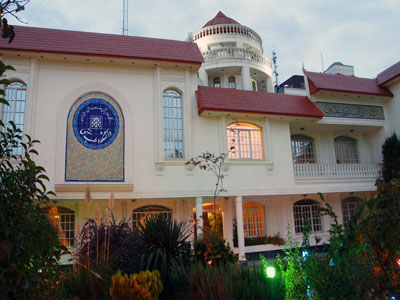
Tehran University of Medical Sciences
The history of using plants and natural remedies dates back to the beginning of human creation. To alleviate their sufferings, humanity has always relied on the most important tool at their disposal: materials found in nature. This trend continues even today, despite all technological advancements. The peak of human knowledge in research and the subsequent development of powerful chemical drugs led to a period of neglect regarding medicinal plants and traditional medicine. However, the emergence of severe side effects from chemical drugs and the spread of hard-to-treat diseases such as autoimmune disorders led people to turn once again to other therapeutic schools. The importance of this issue was not lost on the World Health Organization, which approved a protocol for organizing complementary and alternative medicine in 2000.
In our country, as traditional medicine, herbal medicines, and complementary medicine are terms that have had an ambiguous and undefined presence in our health system for years, a need for their organization was felt. On the other hand, following the guidelines of the World Health Organization seemed inevitable in the course of global progress. Therefore, the groundwork for launching and approving the field of Traditional Medicine was laid at the Ministry of Health in 2006. Four universities—Tehran University of Medical Sciences, Shahid Beheshti University of Medical Sciences, Iran University of Medical Sciences, and Shahed University—announced their readiness to admit students. With the support of the President of Tehran University of Medical Sciences, Dr. Larijani, the first Faculty of Traditional Medicine in Iran was established at Tehran University of Medical Sciences in 2007. This event became a golden leaf in history, which, according to many experts, granted permission for the thoughts of Avicennas and Razeses to enter medical universities after many years
 ادمین انجمن علمی طب سنتی ایران
