


Scientific Associations: The Missing Link in Higher Education Governance and Scientific Diplomacy in Iran
Scientific Associations: The Missing Link in Higher Education Governance and Scientific Diplomacy in Iran
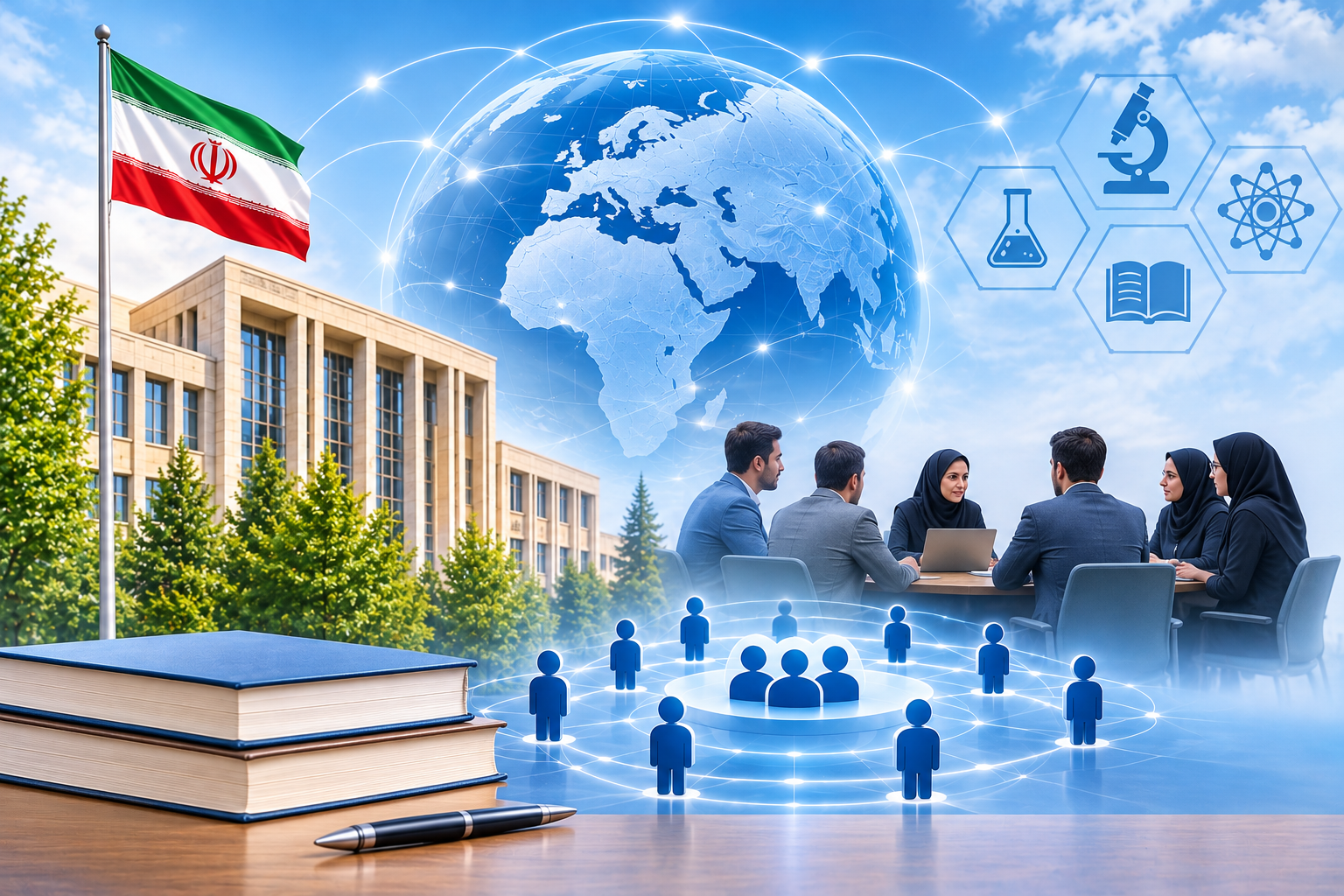
Dr. Ebrahim Nouri Goushki, in an article titled “Scientific Associations: The Missing Link in Higher Education Governance and Scientific Diplomacy in Iran,” examines the role and potential of scientific associations in the country's scientific development. He emphasizes the need to expand the role of these organizations beyond conventional activities such as organizing conferences and educational courses. He believes that universities alone cannot assume full responsibility for scientific development and addressing society's needs. To translate academic knowledge into practical solutions, stronger links must be established among universities, experts, scientific associations, and policymakers.
Scientific associations have considerable potential to contribute to science policymaking, enhance specialized education, promote lifelong learning, advance scientific ethics, and guide the responsible development and application of emerging technologies, including artificial intelligence. Highlighting the importance of these functions in medical sciences, he considers scientific associations essential to improving healthcare quality, patient safety, knowledge translation into clinical practice, and public awareness.
Drawing on comparative studies of scientific associations in Iran and their counterparts in Europe and the United States, he also identifies several challenges facing Iranian associations in areas such as participation in policymaking, scientific advocacy, and international collaboration. Strengthening scientific diplomacy requires the development of sustainable collaborative networks, joint research initiatives, the exchange of knowledge and experience, and a more active presence of scientific associations in international professional and academic forums. In this regard, establishing a national network of scientific associations and expanding cooperation among the Ministries of Science and Health, the Iranian National Commission for UNESCO, and scientific associations are among the proposals presented in his article.
In conclusion, Dr. Nouri Goushki emphasizes the need to redefine scientific associations as strategic partners in knowledge governance, sustainable development, and the country's scientific diplomacy. Leveraging the specialized expertise of these organizations while safeguarding their scientific independence, transparency, and accountability can strengthen the relationship between universities, professional communities, and policymakers, and help translate scientific achievements into effective solutions to societal challenges.
To read the full article by Dr. Ebrahim Nouri Goushki published by the Islamic Republic News Agency (IRNA), click here.
 ادمین انجمن علمی طب سنتی ایران
